
The rapid development of automotive technology has transformed vehicles from traditional mechanical systems into highly integrated intelligent platforms. Modern cars rely on various electronic control units (ECUs) to manage functions such as power systems, safety systems, battery management, sensors, and driver assistance technologies. Behind these advanced electronic components, a reliable Aluminum Automotive Electronic Control Housing plays an essential role in providing protection, heat management, and structural support.
An automotive electronic control housing is a protective enclosure designed to hold and safeguard electronic modules inside vehicles. These housings help protect sensitive circuit boards and electronic components from vibration, dust, moisture, temperature changes, and mechanical impacts.
With the increasing number of electronic systems in modern vehicles, especially electric vehicles (EVs) and intelligent driving systems, electronic housings require higher levels of reliability and performance compared with traditional automotive components.
Aluminum alloys have become one of the preferred materials for automotive electronic control housings due to their excellent combination of lightweight properties, strength, and thermal performance.
Electronic components generate heat during operation. Excessive heat can affect performance and reduce service life. Aluminum has good thermal conductivity, allowing heat to transfer away from electronic components more efficiently and helping maintain stable operating temperatures.
Reducing vehicle weight has become an important goal for automotive manufacturers. Aluminum provides a high strength-to-weight ratio, helping reduce overall vehicle weight while maintaining sufficient mechanical protection.
This advantage is particularly valuable for electric vehicles, where lightweight components can contribute to improved energy efficiency and driving range.
Automotive components often operate under challenging conditions, including vibration, humidity, temperature fluctuations, and road debris. Aluminum housings provide excellent corrosion resistance and structural durability, helping protect sensitive electronic systems throughout the vehicle's service life.
For mass production of automotive electronic control housings, aluminum die casting is widely adopted because it can achieve complex shapes, consistent quality, and efficient production.
The die casting process allows manufacturers to create housings with integrated designs, thin walls, cooling structures, and mounting features while maintaining dimensional accuracy. Additional processes such as CNC machining, deburring, surface treatment, and inspection can further improve precision and appearance.
As vehicles continue moving toward electrification, automation, and connectivity, electronic control systems will become increasingly important. Future aluminum housings are expected to focus more on improved thermal management, lightweight structures, electromagnetic protection, and integrated designs.
From electric vehicle battery systems to advanced driver assistance systems, high-performance aluminum housings will continue supporting the development of smarter and more efficient transportation.
An Aluminum Automotive Electronic Control Housing is more than just a protective shell. It is a key component that helps ensure the reliability, durability, and performance of modern automotive electronics. Through lightweight design, excellent heat dissipation, and advanced manufacturing technologies, aluminum housings provide an effective solution for the evolving needs of the automotive industry.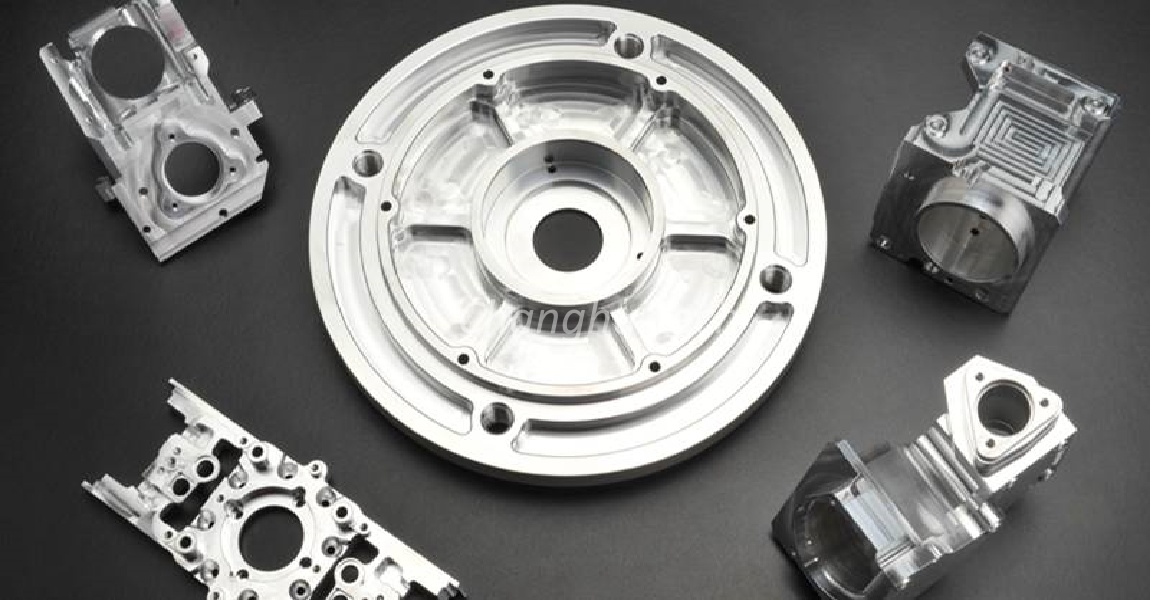
 How Aluminum Die-Cast Enclosures Help Reduce Electromagnetic Interference
 A Guide to Common Aluminum Die Casting Alloys
 Porosity in Aluminum Die Casting: Causes and Effects
 Understanding Dimensional Tolerances in Aluminum Die Casting