
With the continuous development of industrial equipment, electric appliances, automotive systems, and smart devices, heating components are facing higher requirements for thermal efficiency, reliability, and structural performance. Traditional heating solutions are gradually being replaced by more integrated and durable designs, and aluminum die casting heating elements have become an important choice for many applications.
By combining aluminum alloy materials with precision die casting technology, these heating components can achieve excellent heat transfer performance, lightweight structures, and reliable mechanical strength. They are widely used in industrial heating systems, electric appliances, automotive thermal management, and various customized heating equipment.
An aluminum die casting heating element is a heating component manufactured by embedding or integrating heating tubes, electric heating wires, or other thermal elements into an aluminum alloy structure through a precision casting process.
Aluminum alloy has excellent thermal conductivity, allowing heat to spread quickly and evenly. During the die casting process, molten aluminum is injected into a specially designed mold under high pressure, forming a compact structure around the heating element. This manufacturing method improves heat transfer efficiency while providing strong protection for internal heating components.
Compared with traditional heating structures, aluminum die cast heating parts offer advantages in durability, compact design, and customized manufacturing possibilities.
Aluminum is widely recognized for its good thermal conductivity. The aluminum die casting structure helps distribute heat evenly, reducing hot spots and improving overall heating efficiency. This makes it suitable for applications that require stable temperature control.
During the die casting process, the aluminum alloy forms a solid protective layer around the heating components. This structure improves resistance against vibration, impact, and harsh operating environments, extending the service life of heating systems.
Compared with some traditional metal heating structures, aluminum components provide a better balance between strength and weight. This advantage is especially valuable in automotive thermal systems, portable equipment, and compact electrical devices.
Different industries have different requirements for size, shape, power output, and installation methods. Aluminum die casting allows manufacturers to create customized heating components with complex geometries while maintaining consistent production quality.
Aluminum die casting heating elements are used in a wide range of industries, including:
In addition to heating elements, aluminum die casting technology is also widely applied in products such as motor housings, automotive aluminum parts, electronic control housings, and precision aluminum components, providing lightweight and reliable manufacturing solutions.
Producing reliable aluminum die casting heating elements requires careful control throughout the entire manufacturing process. Mold design, aluminum alloy selection, casting parameters, machining accuracy, and quality inspection all influence final performance.
For heating applications, manufacturers need to consider factors such as thermal expansion, insulation requirements, surface treatment, and long-term operating conditions. Combining die casting with CNC machining and additional finishing processes can help achieve higher precision and better product consistency.
As industries continue to pursue higher efficiency and more compact designs, aluminum die casting heating elements provide an effective solution that combines thermal performance, mechanical strength, and manufacturing flexibility.
Through advanced aluminum die casting technology, customized heating components can meet the requirements of different applications while supporting the development of more efficient and reliable thermal systems.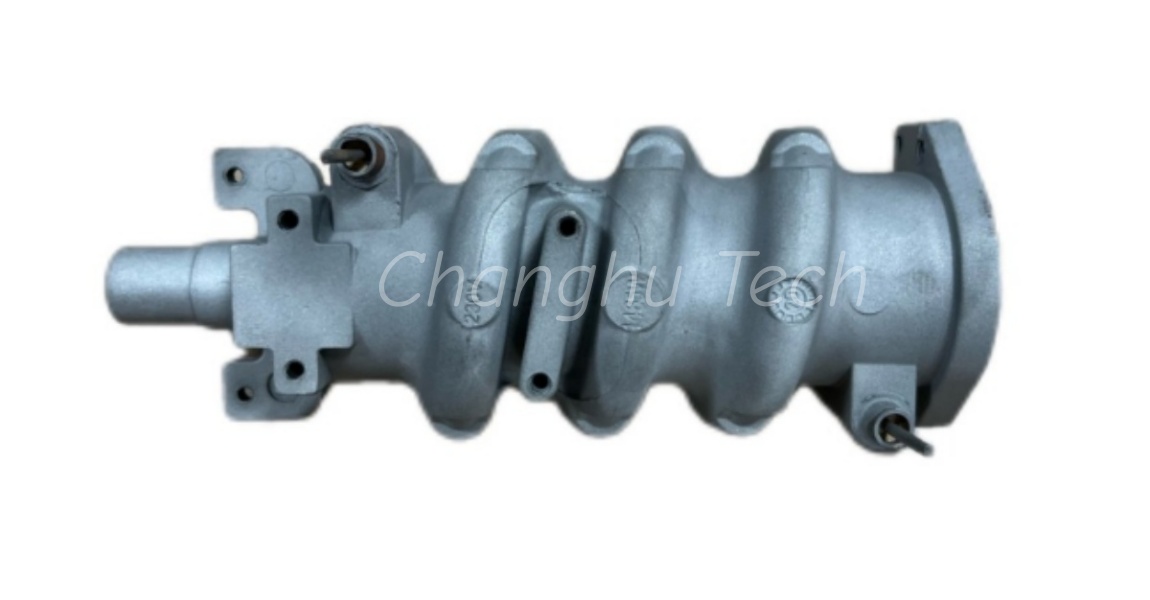
 How Aluminum Die-Cast Enclosures Help Reduce Electromagnetic Interference
 A Guide to Common Aluminum Die Casting Alloys
 Porosity in Aluminum Die Casting: Causes and Effects
 Understanding Dimensional Tolerances in Aluminum Die Casting