
Aluminum die casting is one of the most widely used manufacturing processes for producing high-precision metal components. By injecting molten aluminum into a steel mold under high pressure, manufacturers can achieve complex shapes with excellent dimensional accuracy and surface finish.
This process is especially popular across industries such as automotive, electronics, telecommunications, and consumer goods. In the automotive sector, aluminum die casting is commonly used for engine housings, transmission cases, and motor components. Its lightweight properties contribute significantly to fuel efficiency and energy savings.
In electronics and communication equipment, aluminum die-cast parts provide excellent thermal conductivity and electromagnetic shielding. Components such as heat sinks, junction boxes, and device enclosures benefit from both durability and performance stability.
One of the biggest advantages of aluminum die casting is its ability to produce large volumes of parts with consistent quality. Compared to traditional machining, it reduces material waste and lowers production costs. Additionally, aluminum alloys offer strong corrosion resistance, making them suitable for both indoor and outdoor applications.
Another key benefit is design flexibility. Engineers can integrate multiple functions into a single casting, reducing the need for assembly and improving overall product reliability. Thin walls, intricate geometries, and tight tolerances can all be achieved efficiently.
With the growing demand for lightweight and sustainable manufacturing, aluminum die casting continues to play a crucial role in modern industry. Its combination of strength, precision, and cost-effectiveness makes it an ideal choice for OEM and custom components.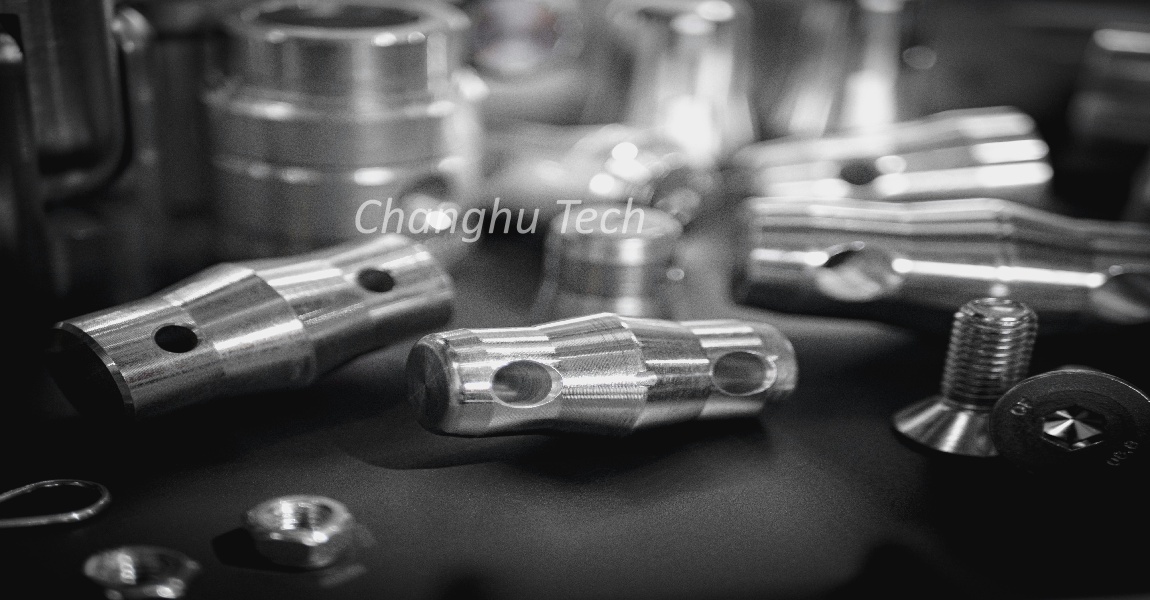
 How Aluminum Die-Cast Enclosures Help Reduce Electromagnetic Interference
 A Guide to Common Aluminum Die Casting Alloys
 Porosity in Aluminum Die Casting: Causes and Effects
 Understanding Dimensional Tolerances in Aluminum Die Casting